

Executive Summary & Key Takeaways
Drinking gallons of plain water without essential electrolytes leads to hyponatremia, muscle cramps, and cognitive brain fog. Discover the optimal sodium-potassium-magnesium triad required to maintain plasma volume, optimize muscular contractions, and eliminate fatigue.
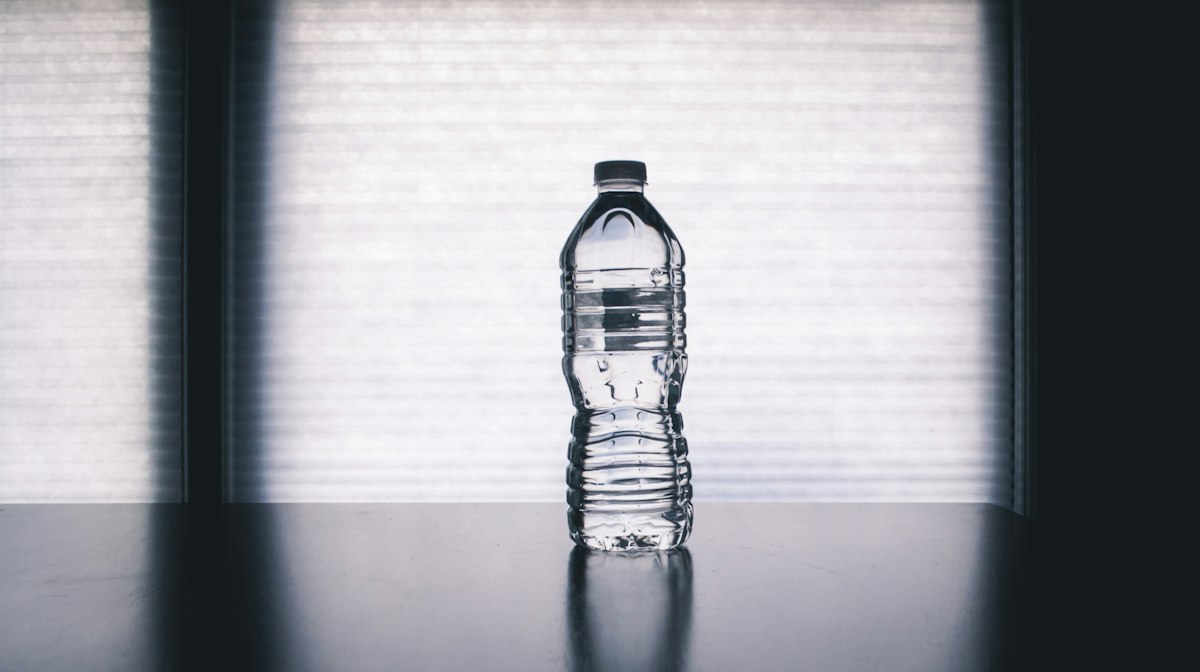
The Dangers of Hypotonic Over-Hydration
When hard-training athletes sweat profusely, they lose substantial quantities of mineral salts alongside water. Simply chugging plain distilled or tap water further dilutes extracellular sodium concentrations, triggering exercise-associated hyponatremia.
As sodium drops, osmotic pressure collapses: water shifts into intracellular spaces, causing headaches, muscular tremors, nausea, and a steep drop in physical power output.
The Mineral Triad: Sodium, Potassium, and Magnesium
Neuromuscular performance depends on a carefully calibrated mineral electrical charge:
- Sodium (The Extracellular Workhorse): Regulates blood volume and drives the sodium-potassium pump that allows muscle fibers to fire. Athletes can lose 1,000 to 2,000mg of sodium per hour of heavy sweating.
- Potassium (The Intracellular Balancer): Works inside cells to balance fluid shifts and regulate cardiac rhythm. Target 3,500 to 4,500mg daily from avocados, potatoes, and spinach.
- Magnesium (The Neuromuscular Relaxer): Required for over 300 enzymatic reactions, including ATP production and preventing involuntary skeletal muscle cramping.
Formulating Your Own Clean Electrolyte Drink
Commercial sports drinks are often loaded with artificial dyes and high-fructose corn syrup with token mineral amounts. Create a clinical-grade sports beverage at home: 750ml water, 500mg sodium (1/4 tsp sea salt), 200mg potassium chloride, 60mg magnesium malate, and a splash of fresh lemon juice.
Daily Electrolyte Targets for Active Individuals
| Electrolyte Mineral | Recommended Active Intake | Primary Biological Function | Deficiency Warning Signs | Whole Food Sources |
|---|---|---|---|---|
| Sodium | 3,000 – 5,000 mg | Plasma volume, nerve impulse conduction | Brain fog, lightheadedness, weakness | Pink sea salt, Pickles, Fermented miso |
| Potassium | 3,500 – 4,700 mg | Intracellular fluid, muscular relaxation | Heart palpitations, muscle twitching | Baked potato with skin, Avocados, Bananas |
| Magnesium | 400 – 500 mg | ATP energy creation, muscle protein synthesis | Severe calf cramping, insomnia, anxiety | Pumpkin seeds, Dark leafy greens, Cacao |
| Calcium | 1,000 – 1,200 mg | Actin-myosin muscular contraction bridge | Bone density decline, joint stiffness | Yogurt, Sardines with bones, Collard greens |
Nutritionist’s Pro Tip & Implementation Note
Weigh yourself immediately before and after intense summer training sessions. For every pound (0.45kg) of body weight lost through sweat, drink 16 to 24 ounces of water paired with 500mg of sodium to restore fluid homeostasis.
The Bottom Line
Optimal athletic nutrition is not about restrictive deprivation; it is about fueling biological performance with purposeful macronutrient timing, high-quality micronutrients, and sustainable dietary habits. By personalizing your nutritional intake to your physical output, you create the ultimate metabolic engine for lifelong strength and vitality.