
Executive Summary & Transformation Takeaway
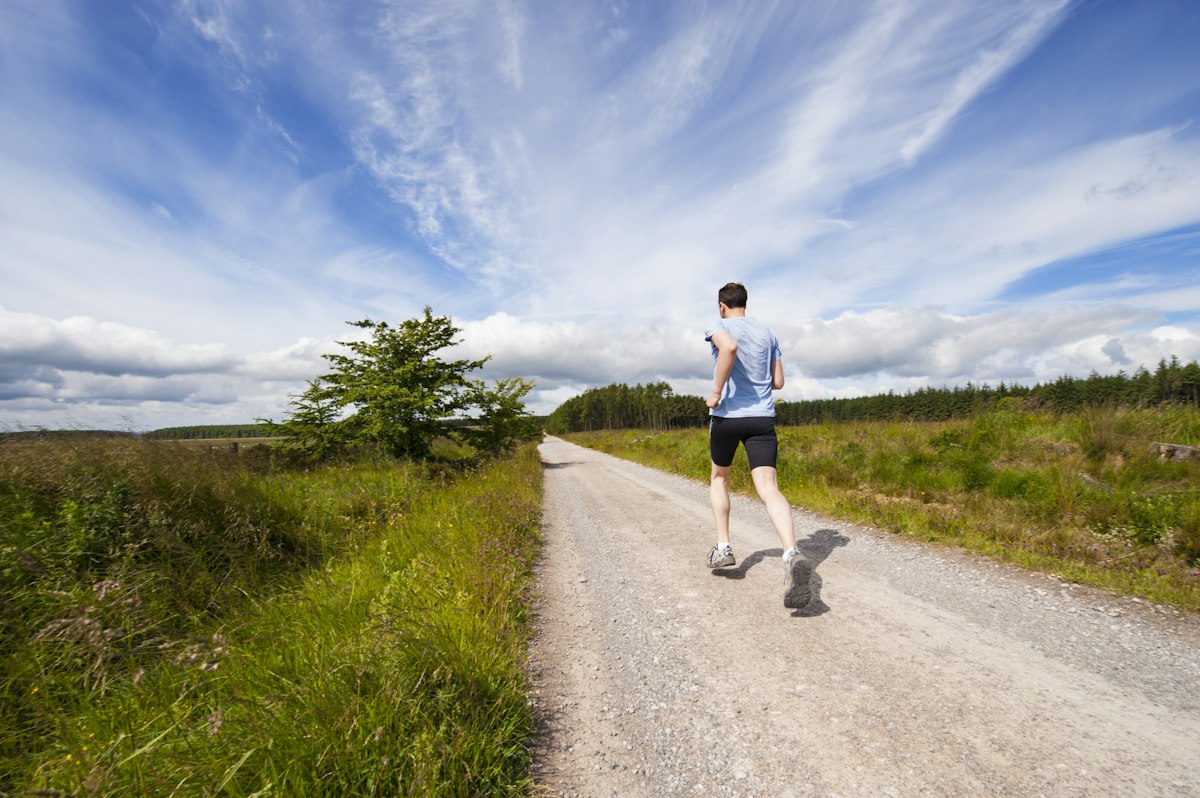
Following a catastrophic skiing accident that tore both ACLs and shattered his menisci, ultra-runner Leo was warned he might walk with a permanent limp. Discover how backward sled dragging, eccentric tendon loading, and relentless patience brought him back to 50K mountain races.
The Devastating Double Impact
A high-speed backcountry skiing crash resulted in every athlete’s worst nightmare: simultaneous complete tears of the anterior cruciate ligaments (ACLs) in both knees, accompanied by grade-3 medial meniscus tears. Following bilateral reconstruction surgery, Leo spent weeks bound to a wheelchair with atrophied quadriceps.
Surgeons cautiously advised him to give up mountain trail running and high-impact sports permanently, suggesting stationary cycling as his sole athletic outlet for the rest of his life.
The Knee Ability Protocol: Rebuilding from the Ground Up
Leo refused to accept permanent disability. He implemented an unconventional, tendon-restorative physical therapy protocol focused on joints and structural links:
- Backward Sled Dragging: Walking backward dragging a 100-pound sled for 200 meters daily, pumping non-impact synovial fluid through the patellar tendon and strengthening the vastus medialis oblique (VMO).
- Tibialis Anterior Training: Strengthening the front shin muscles with tibialis raises to act as the front brake for knee impact.
- Full Knee-Over-Toe ATG Split Squats: Progressively restoring full closed-angle knee flexion with tendon remodeling under bodyweight, gradually progressing to dumbbells.
Conquering the 50K Alpine Trail Race
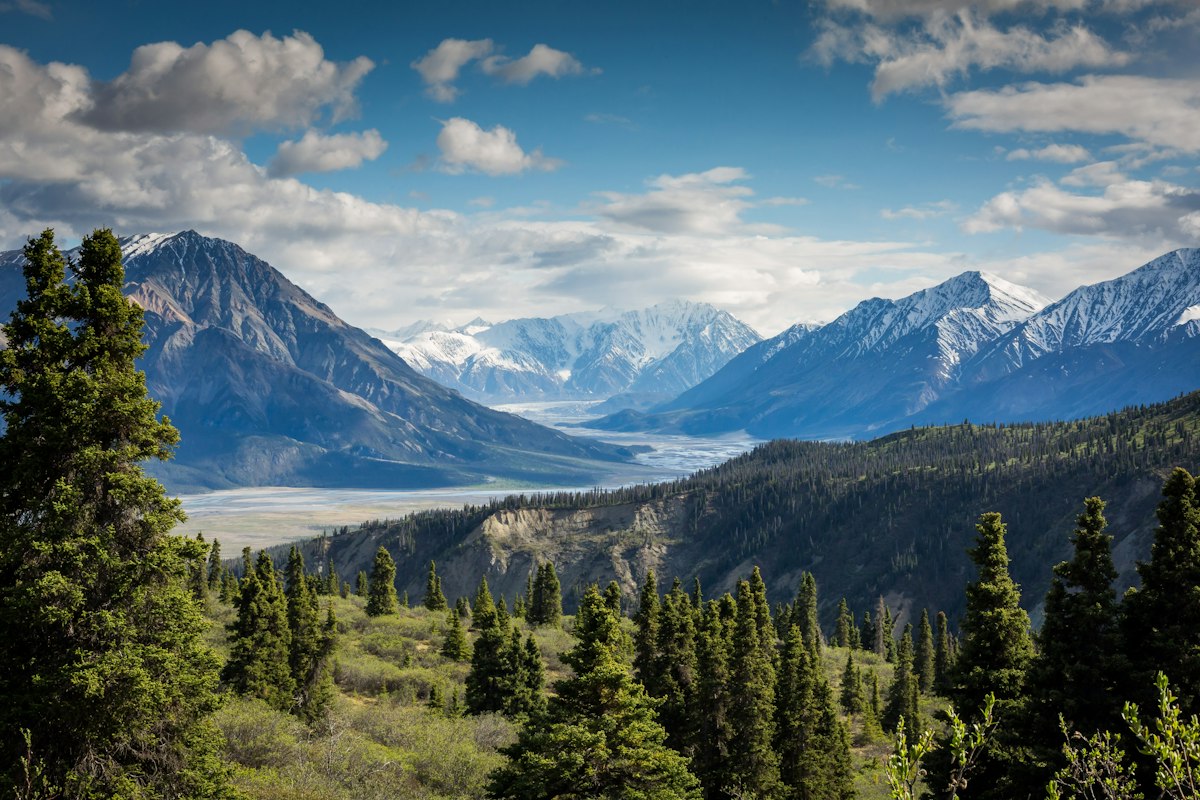
Three years after his bilateral surgical reconstruction, Leo stood at the starting line of the Leadville Silver Rush 50-Mile Trail Run in Colorado. He traversed rugged alpine passes, descended 7,000 feet of rocky switchbacks, and crossed the finish line with rock-solid, pain-free knees.
Leo’s Bilateral Knee Reconstruction Recovery Milestones
| Recovery Phase | Timeline | Tendon & Joint Loading Drill | Knee Flexion Angle | Functional Milestone |
|---|---|---|---|---|
| Post-Surgical Foundation | Months 1 – 4 | Straight leg raises, Backward sled walking | 0? – 110? Passive | Walking without crutches or knee braces |
| VMO & Tendon Remodeling | Months 5 – 10 | ATG split squats (Elevated), Poliquin step-ups | Full active heel-to-glute flexion | Climbing stairs and light jog without swelling |
| Trail Deceleration Re-Training | Months 11 – 20 | Eccentric downhill lunges, Plyometric hops | Full dynamic range under load | Completing first 10K mountain trail run |
| Ultra-Endurance Realization | Months 21 – 36 | Back-to-back 20-mile weekend mountain runs | 100% Structural knee resilience | Official finisher of 50-mile alpine ultra-marathon |
Key Mindset Takeaway
Incorporate backward walking or backward sled drags for 5 to 10 minutes prior to your leg workouts. Backward locomotion pushes blood directly into the patellar tendon without knee shear forces, acting as the ultimate joint-warming shield.
The Bottom Line
Transformation is never a linear overnight sprint; it is the compounding interest of showing up each day with patience, humility, and disciplined effort. No matter your age, starting baseline, or past injuries, the human body retains an extraordinary capacity to heal, adapt, and conquer new heights.