
Executive Summary & Key Takeaways
Should you lay motionless on the couch or go for a brisk outdoor hike on your rest days? Exercise physiology confirms that gentle low-stress active recovery flushes metabolic waste, stimulates lymphatic circulation, and speeds recovery twice as fast as total passivity.
The Mechanical Pump of the Lymphatic System
Unlike your cardiovascular system, which has the heart as a continuous mechanical pump to circulate blood, the human lymphatic system possesses no central pump. Lymph fluid?which carries damaged cellular debris, metabolic byproducts, and inflammatory exudates away from worked muscles?relies entirely on muscular contraction and deep diaphragmatic breathing to circulate.
Lying motionless on the couch for 14 hours allows fluids to pool in muscular compartments, compounding stiffness and prolonging delayed onset muscle soreness (DOMS).
Defining True Active Recovery
The key to active recovery is ensuring the activity does not create additional central nervous system fatigue or mechanical micro-damage:
- Low Heart Rate (< 115 bpm): Keep movement strictly in Zone 1. You should feel energized and rejuvenated at the end of the session, not drained.
- Zero Eccentric Loading: Avoid activities with heavy eccentric muscle lengthening (like sprinting downhill or jumping). Ideal modalities include flat trail walking, easy cycling, swimming, and mobility flows.
- Duration: 30 to 45 minutes of continuous gentle movement is sufficient to stimulate full-body capillarization and nutrient delivery.
When to Choose Complete Passive Rest
Passive rest (total relaxation, napping, reading) is reserved for states of acute systemic illness, fever, resting heart rate spikes (> 10 bpm above normal), or profound emotional/psychological exhaustion.
Active vs. Passive Recovery Comparison
| Recovery Modality | Heart Rate Target | Primary Physiological Benefit | Ideal Frequency | Recommended Activities |
|---|---|---|---|---|
| Active Recovery | 50% – 60% HRmax (Zone 1) | Lymphatic drainage, nutrient delivery to joints | 2 – 3 days per week | Nature trail walking, easy swimming, light cycling |
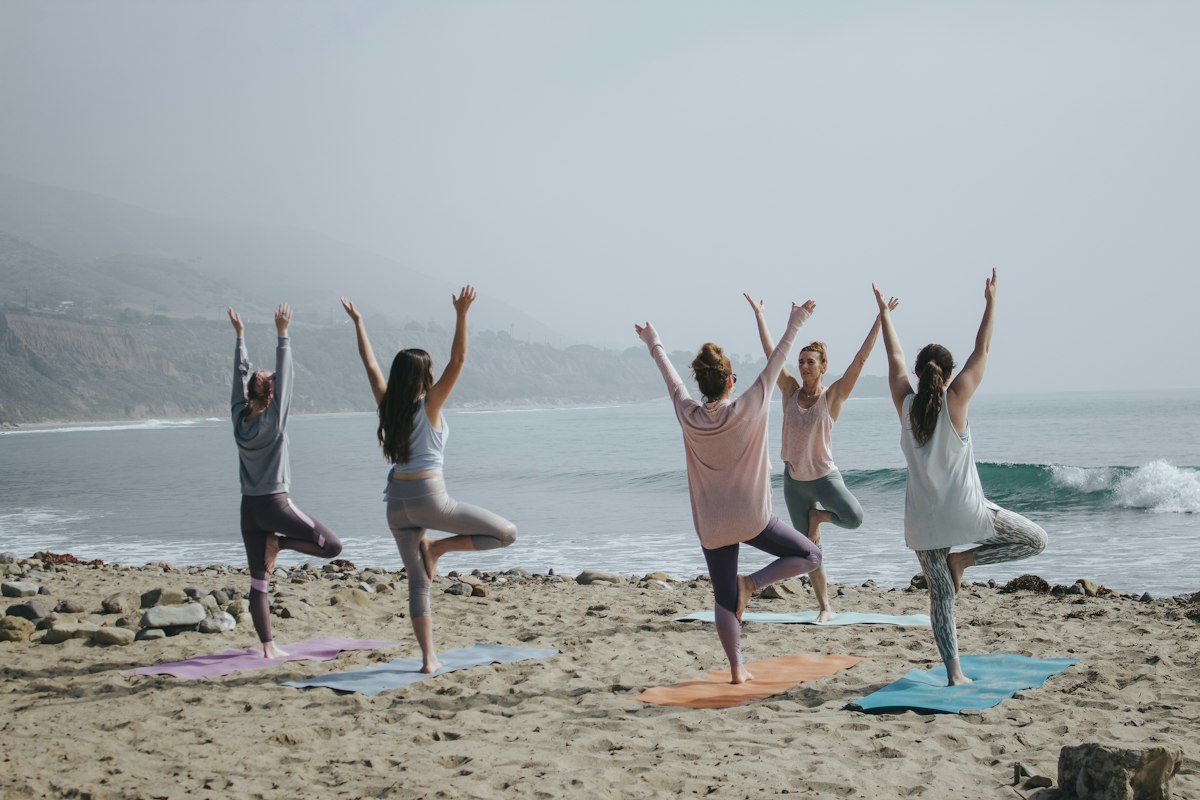
| Mobility & Flow | Resting to Light | Fascial hydration & synovial fluid circulation | Daily (15 minutes) | Gentle vinyasa yoga, foam rolling, CARs drills |
| Passive Rest | Resting Heart Rate | Complete central nervous system de-escalation | 1 day per week or when sick | Reading, napping, restorative meditation |
| Hydrotherapy Contrast | Fluctuating | Vasodilation & vasoconstriction cycles | 1 – 2x per week | Warm salt bath, sauna + cold shower rinse |
Wellness Coach’s Pro Tip & Implementation Note
Aim for an outdoor 45-minute nature walk on your rest days without listening to podcasts or looking at your phone. Combining gentle locomotion with the visual optic flow of nature produces immediate parasympathetic calming.
The Bottom Line
Peak physical performance is incomplete without intentional autonomic nervous system recovery. By prioritizing restorative sleep architecture, circadian light hygiene, mindful breathwork, and thermal therapy, you build true biological resilience and sustain lifelong vigor.