
Executive Summary & Transformation Takeaway
Sarcopenia and joint decay are not inevitable consequences of aging; they are consequences of disuse. Follow 62-year-old Arthur’s inspiring journey from chronic knee arthritis and frailty to performing strict pull-ups, deadlifting 315 pounds, and hiking 14,000-foot peaks.
The Myth of Inevitable Physical Decline
At age 58, retired accountant Arthur was told by peers that joint stiffness, loss of muscle, and declining balance were simply ‘normal parts of getting old’. He struggled to rise from low chairs without pushing off with his arms and had abandoned his lifelong passion for mountain hiking due to chronic bilateral knee osteoarthritis.
Refusing to surrender to premature frailty, Arthur discovered the emerging science of senior resistance training: skeletal muscle and bone mineral density retain adaptive neuroplasticity well into an individual’s eighties and nineties when exposed to progressive resistance.
Fighting Sarcopenia and Osteopenia with Compound Lifting
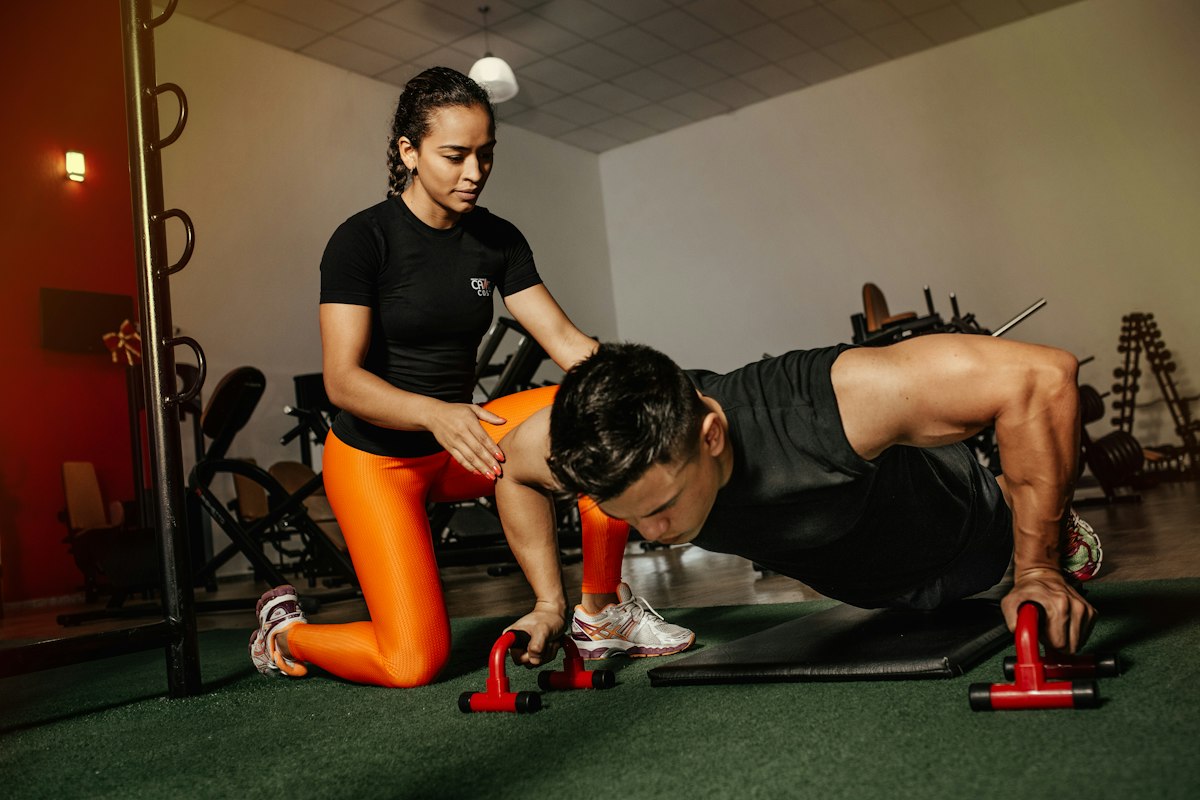
Arthur partnered with a gerontological strength specialist to implement a longevity-focused training regimen:
- High-Load Low-Impact Lifting: Utilizing box squats and trap bar deadlifts to load femoral neck bones and stimulate osteoblast bone remodeling.
- High-Protein Optimization: Increasing daily protein from 60g to 150g with essential amino acids to overcome anabolic resistance in aging muscle tissue.
- Balance & Power Training: Performing medicine ball throws and agility ladder drills to maintain fast-twitch Type II motor units that prevent dangerous senior fall events.
Conquering Alpine Peaks at Age 62
Today, at 62, Arthur has added 12 pounds of functional muscle tissue, increased his bone density T-score by 1.2 standard deviations, and recently summited Colorado’s Mount Elbert (14,440 ft) with zero knee pain.
Arthur’s 4-Year Longevity Biometrics (Age 58 to 62)
| Biomarker / Test | Age 58 Baseline | Age 62 Result | Clinical Longevity Impact |
|---|---|---|---|
| DEXA Bone Density (T-Score) | -1.8 (Osteopenia warning) | -0.6 (Normal healthy bone) | Vastly reduced hip fracture risk |
| Grip Strength (Dynamometer) | 31 kg (Below Average) | 52 kg (Elite 90th percentile) | Directly correlated with reduced all-cause mortality |
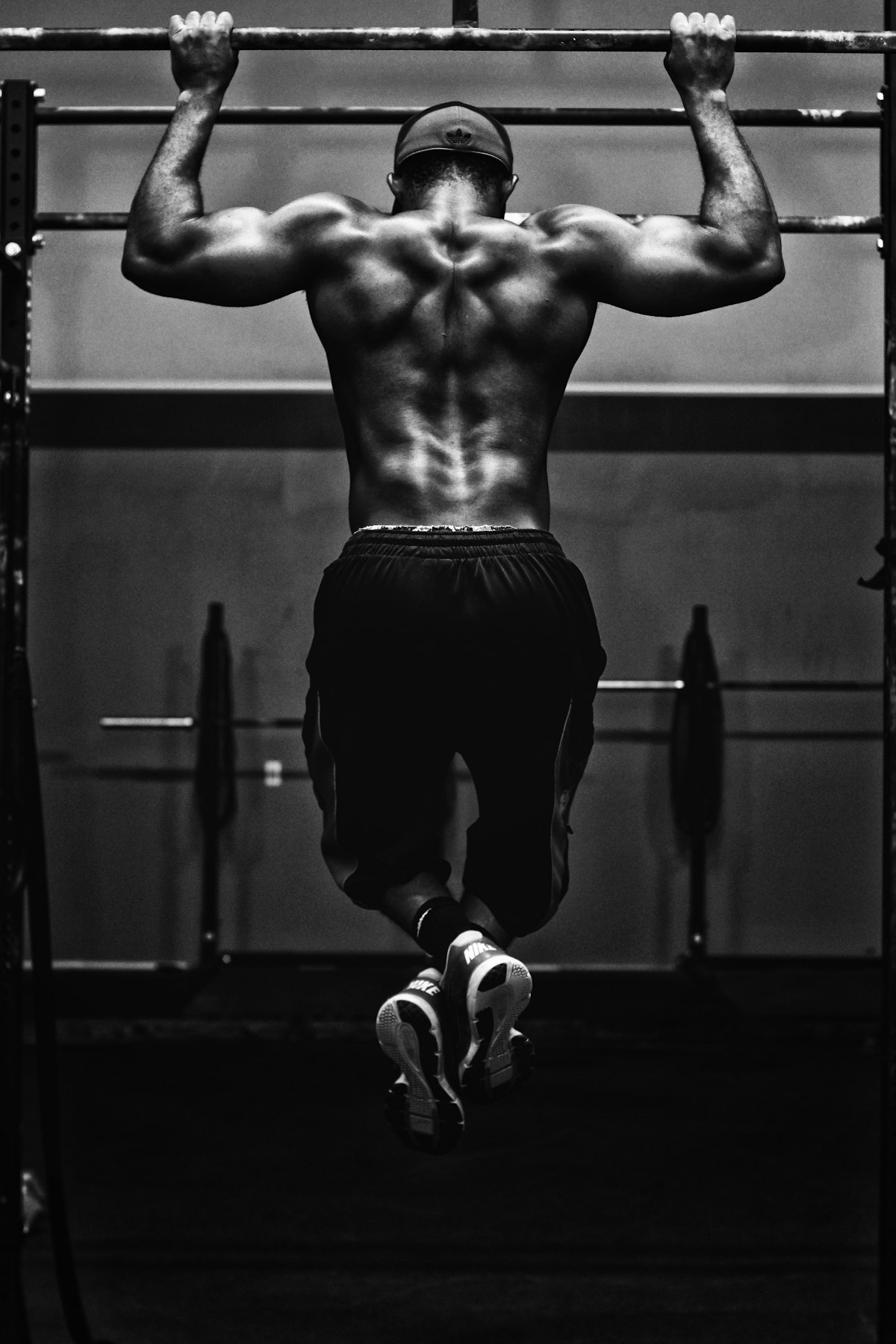
| Strict Bodyweight Pull-Ups | 0 (Cannot hang for 5s) | 8 Clean Repetitions | Superior relative upper body strength |
| Chair Stand Test (30 seconds) | 9 stands (High fall risk) | 24 stands (Peak athletic range) | Effortless lower body independence |
| Resting VO2 Max | 26 ml/kg/min (Poor) | 39 ml/kg/min (Top 10% for age) | Estimated 10+ year biological age reduction |
Key Mindset Takeaway
Overcoming age-related ‘anabolic resistance’ requires consuming at least 35 to 40 grams of high-leucine protein per meal. As we age, muscle cells require a stronger amino acid trigger to turn on protein synthesis.
The Bottom Line
Transformation is never a linear overnight sprint; it is the compounding interest of showing up each day with patience, humility, and disciplined effort. No matter your age, starting baseline, or past injuries, the human body retains an extraordinary capacity to heal, adapt, and conquer new heights.