

Executive Summary & Key Takeaways
You are not just what you eat; you are what your intestinal microbiome absorbs. Explore the gut-muscle axis: how beneficial bacteria synthesize short-chain fatty acids (SCFAs), regulate inflammatory cytokines, and dictate athletic endurance and recovery.
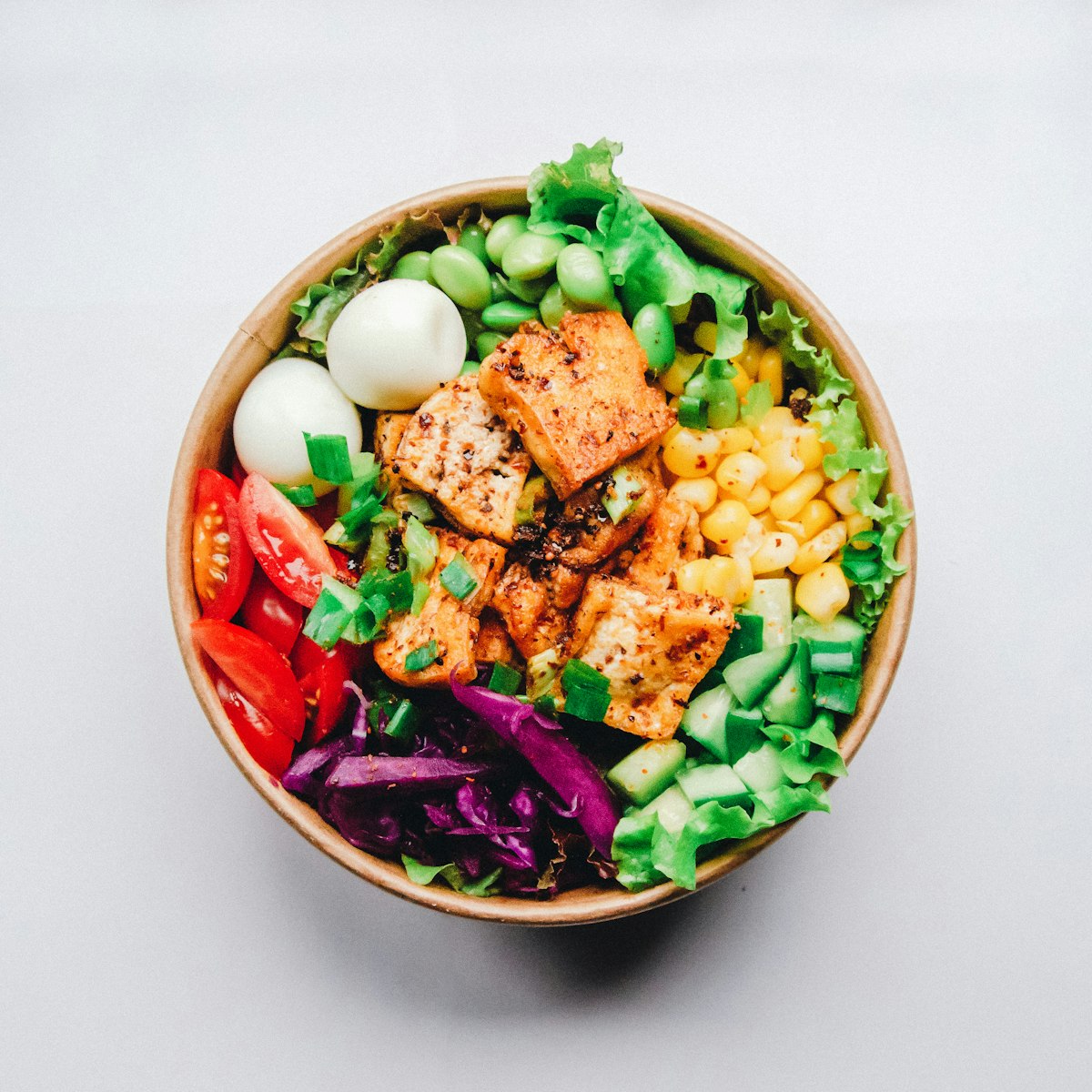
The Gut-Muscle Axis Revealed
The gastrointestinal tract houses over 100 trillion microorganisms that act as an endocrine organ. Recent exercise physiology breakthroughs have identified the ‘gut-muscle axis’?a bi-directional signaling pathway connecting microbial metabolic byproducts to skeletal muscle function.
A healthy, biodiverse microbiome breaks down non-digestible prebiotic plant fibers into Short-Chain Fatty Acids (SCFAs) like butyrate, acetate, and propionate. Butyrate acts as fuel for colonocytes, seals gut junctions, and upregulates mitochondrial energy efficiency in muscle tissue.
Exercise-Induced Intestinal Permeability (‘Leaky Gut’)
During strenuous athletic exertion, blood flow is shunted away from the splanchnic circulation toward working skeletal muscles. This transient gut ischemia can compromise the intestinal mucosal barrier, allowing bacterial endotoxins (lipopolysaccharides or LPS) to leak into the bloodstream.
Systemic LPS leakage triggers acute systemic inflammation, causing unexplained athletic lethargy, joint stiffness, and delayed recovery. Cultivating a robust gut lining prevents this endotoxemia.
The 30-Plants-per-Week Diversity Challenge
The landmark American Gut Project revealed that individuals consuming 30 or more unique plant varieties per week had significantly richer, more resilient microbiomes than those consuming fewer than 10. Rotate diverse vegetables, herbs, legumes, nuts, and berries weekly.
Gut-Optimizing Nutritional Protocols for Athletes
| Nutritional Category | Core Food Sources | Beneficial Microbiome Mechanism | Recommended Daily Intake |
|---|---|---|---|
| Fermented Probiotics | Raw sauerkraut, Kimchi, Kefir, Miso | Seeds beneficial Bifidobacteria & Lactobacilli | 1 – 2 servings daily (with meals) |
| Prebiotic Soluble Fibers | Garlic, Onions, Leeks, Asparagus, Inulin | Fuels beneficial bacteria to produce butyrate | 25 – 35 grams total daily fiber |
| Resistant Starches | Cooked and cooled potatoes and rice | Reaches colon intact to feed beneficial flora | 1 cup cooled starches 3x weekly |
| Polyphenol Rich Foods | Dark cacao (85%+), Green tea, Berries | Inhibits pathogenic bacterial overgrowth | Daily intake (e.g. 2 cups green tea) |
| Mucosal Sealers | Bone broth, L-Glutamine, Zinc Carnosine | Reinforces tight junctions & prevents leaky gut | 5g L-Glutamine powder post-workout |
Nutritionist’s Pro Tip & Implementation Note
Cook your potatoes and rice the night before and let them cool in the refrigerator. Cooling changes starch molecules into crystalline resistant starch, which survives stomach acid and feeds your beneficial colon bacteria.
The Bottom Line
Optimal athletic nutrition is not about restrictive deprivation; it is about fueling biological performance with purposeful macronutrient timing, high-quality micronutrients, and sustainable dietary habits. By personalizing your nutritional intake to your physical output, you create the ultimate metabolic engine for lifelong strength and vitality.

